
How to Layer Natural Textures in a Coastal Interior
There’s a reason coastal interiors feel instantly calming. Done well, they aren’t about anchors, stripes or obvious seaside motifs. They’re about texture.
The most beautiful coastal homes — especially here on the Gold Coast — feel grounded, layered and effortlessly refined. They combine raw materials with soft finishes, structure with warmth, and restraint with character.
If your space feels flat or unfinished, the answer usually isn’t more décor. It’s better layering.
Here’s how to layer natural textures in a coastal interior so it feels elevated, not themed.
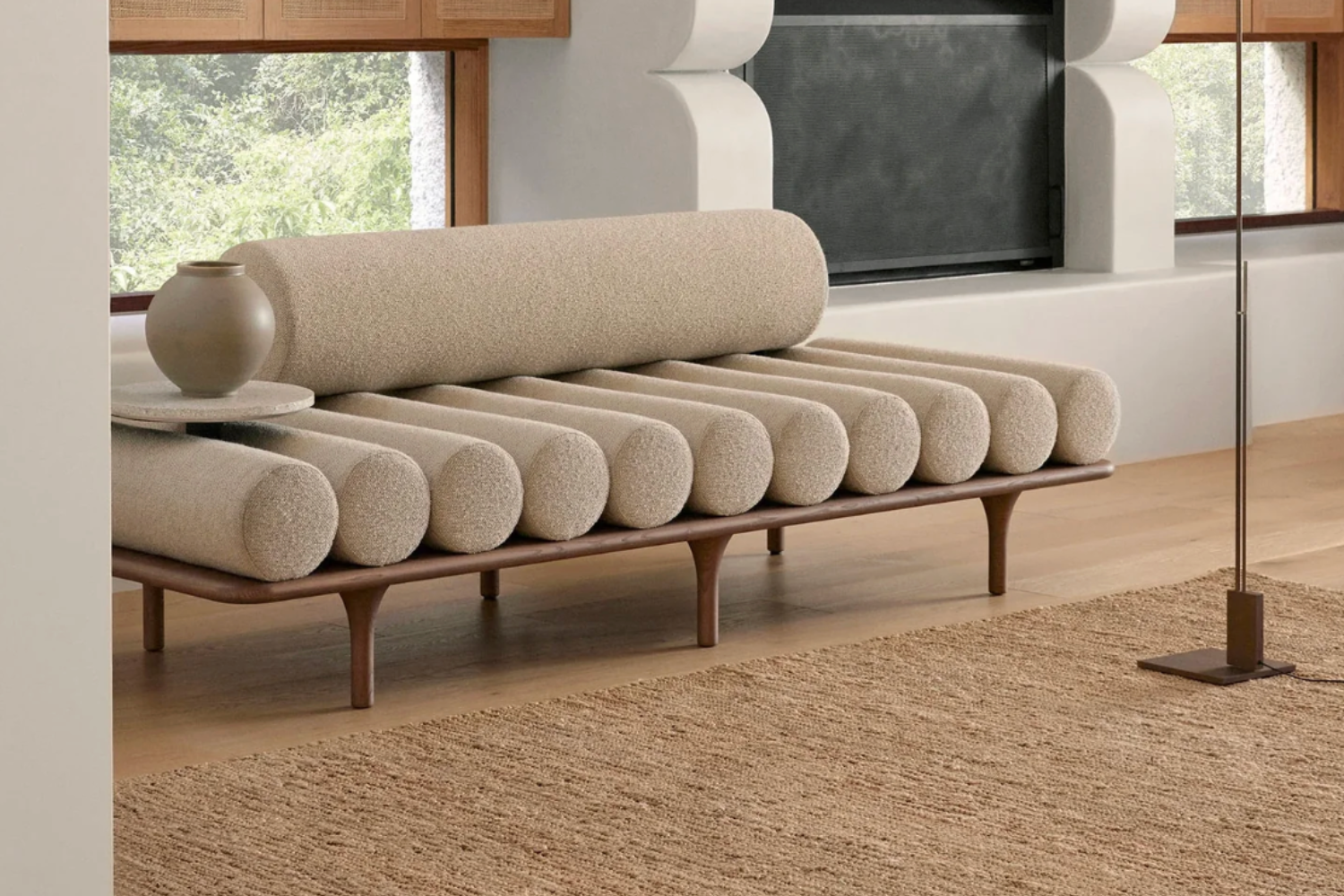
Chunky Jute Rug- Suffolk Natural by Weave Home
1. Start With a Grounding Base: Natural Flooring & Rugs
Every layered interior begins from the ground up.
Timber flooring, limestone, travertine or polished concrete create a neutral architectural base. From there, introduce softness and warmth through natural fibre rugs.
Jute and wool blends are ideal for coastal homes because they:
Add texture without visual heaviness
Feel organic and tactile
Work beautifully with white, sand and warm neutral palettes
If you're unsure which style works best, I’ve shared my favourite options in The Best Jute Rugs for Modern Homes — including how to choose one that feels refined rather than rustic.
The key here is contrast. If your flooring is smooth, your rug should have visible weave or variation. Texture creates interest without adding clutter.
2. Layer Timber in Different Finishes
Coastal interiors often rely heavily on timber — but the mistake many people make is matching everything.
Instead of:
Matching oak dining table
Matching oak floors
Matching oak joinery
Introduce variation.
Mix:
Light oak with deeper walnut tones
Wire-brushed finishes with smooth veneer
Solid timber with timber-look cabinetry
This keeps the space feeling natural rather than showroom-perfect.
On the Gold Coast, where natural light is abundant, layered timber tones add depth without making the space feel heavy.
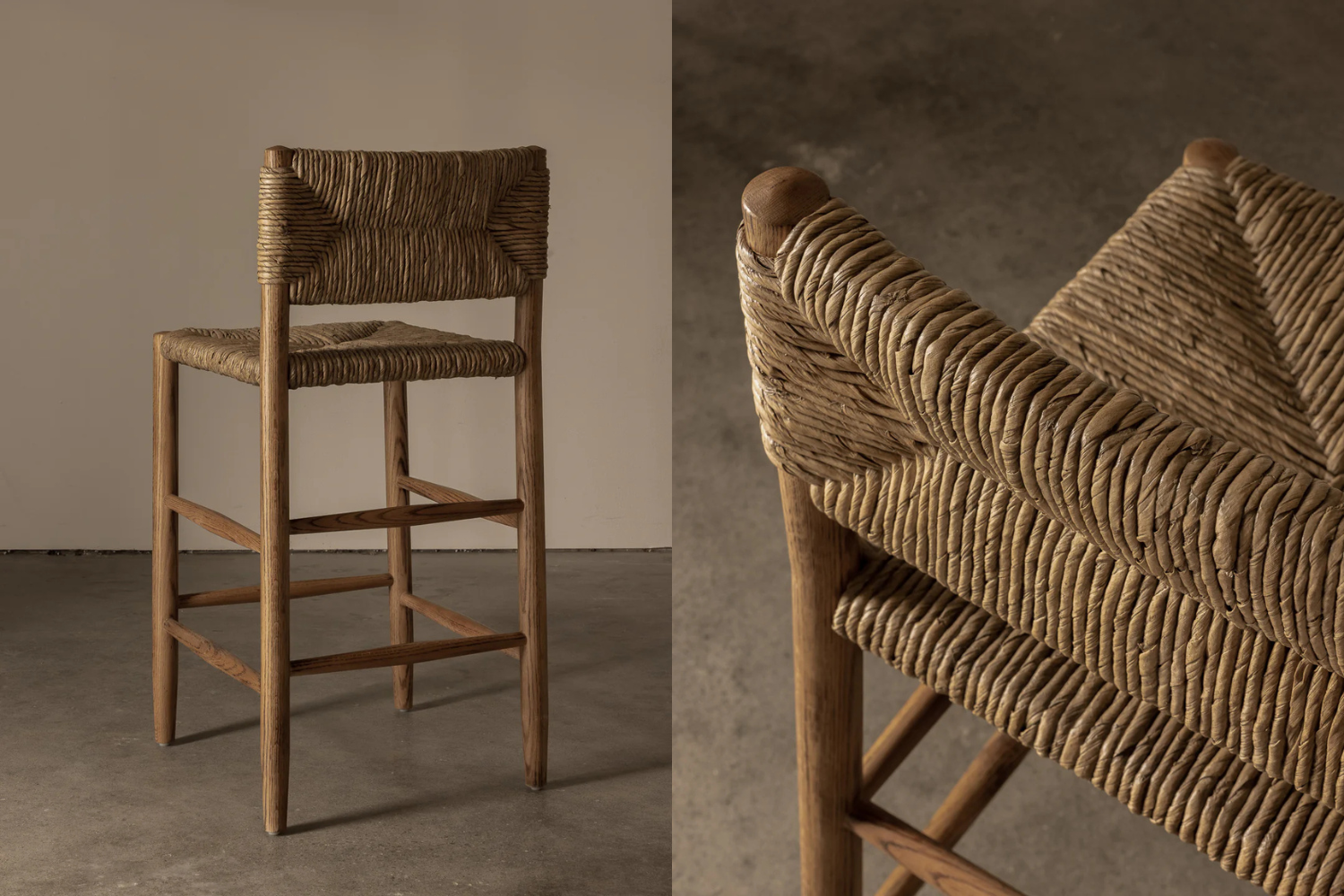
Arnaud Counter Stool by Rachel Donath
3. Bring in Woven Elements (But Be Selective)
Woven textures instantly signal coastal — but subtlety is everything.
Think:
Cane-backed dining chairs
Rattan occasional chairs
Woven pendant lighting
Baskets for functional storage
There are some contemporary brands that often incorporate woven detailing in a more refined way, which help avoid that overly beachy look.
The trick is balance. One or two woven elements per room is usually enough.
Too many and the space starts feeling themed rather than tailored.
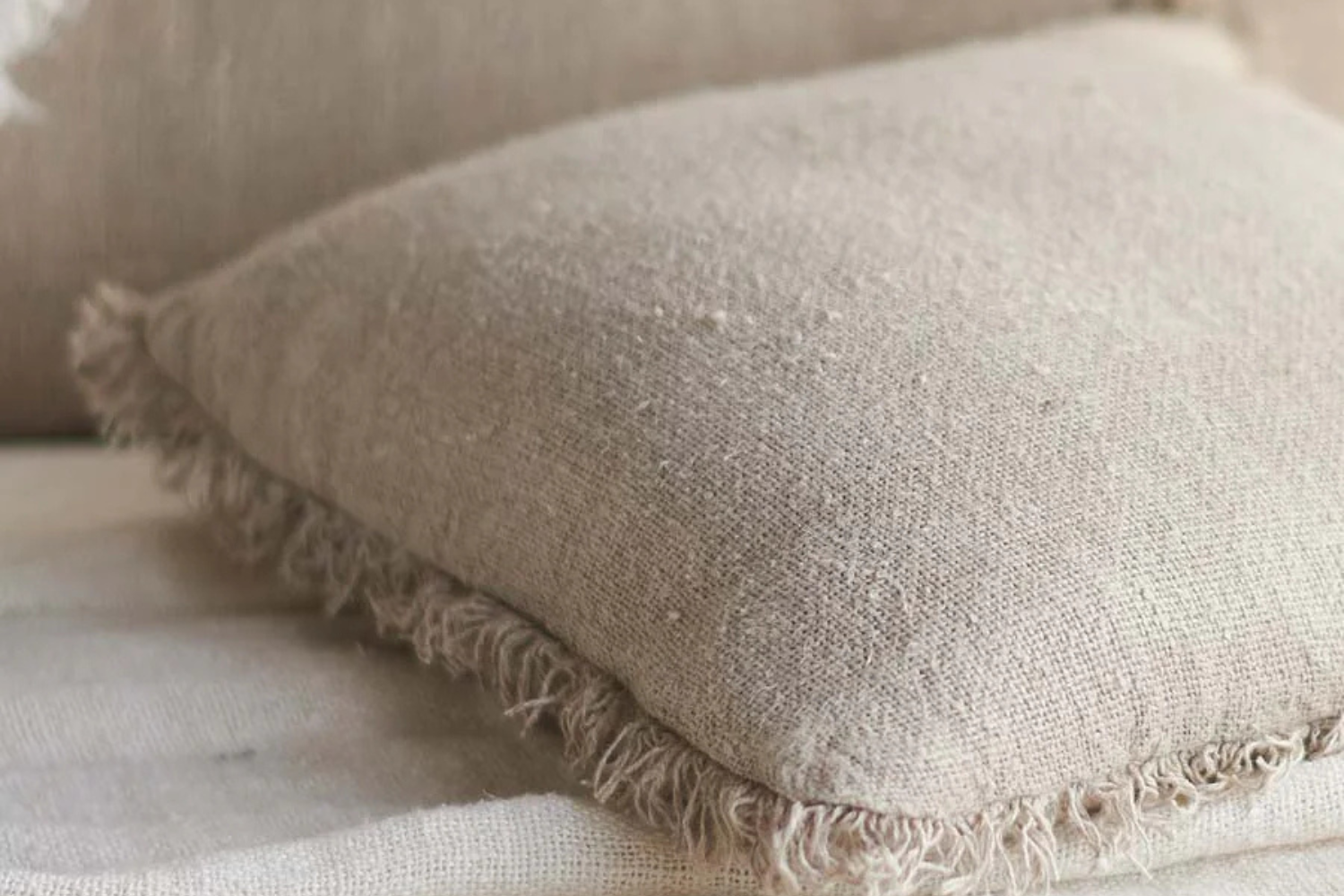
Bedouin Linen Cushion - Natural by Eadie Lifestyle
4. Soften With Linen & Natural Fabrics
If texture is the foundation, fabric is the atmosphere.
Linen curtains, cotton slipcovers and textured cushions introduce movement and softness — especially important in homes with hard surfaces like tile or stone.
For a layered coastal look:
Choose off-whites rather than bright whites
Mix subtle tonal variations (ivory, oat, sand, warm beige)
Combine flat weaves with slightly nubby or slubbed fabrics
This keeps the palette cohesive while allowing the eye to travel through the room.
Sheer linen curtains, particularly in living areas, create that breezy coastal softness without feeling heavy.
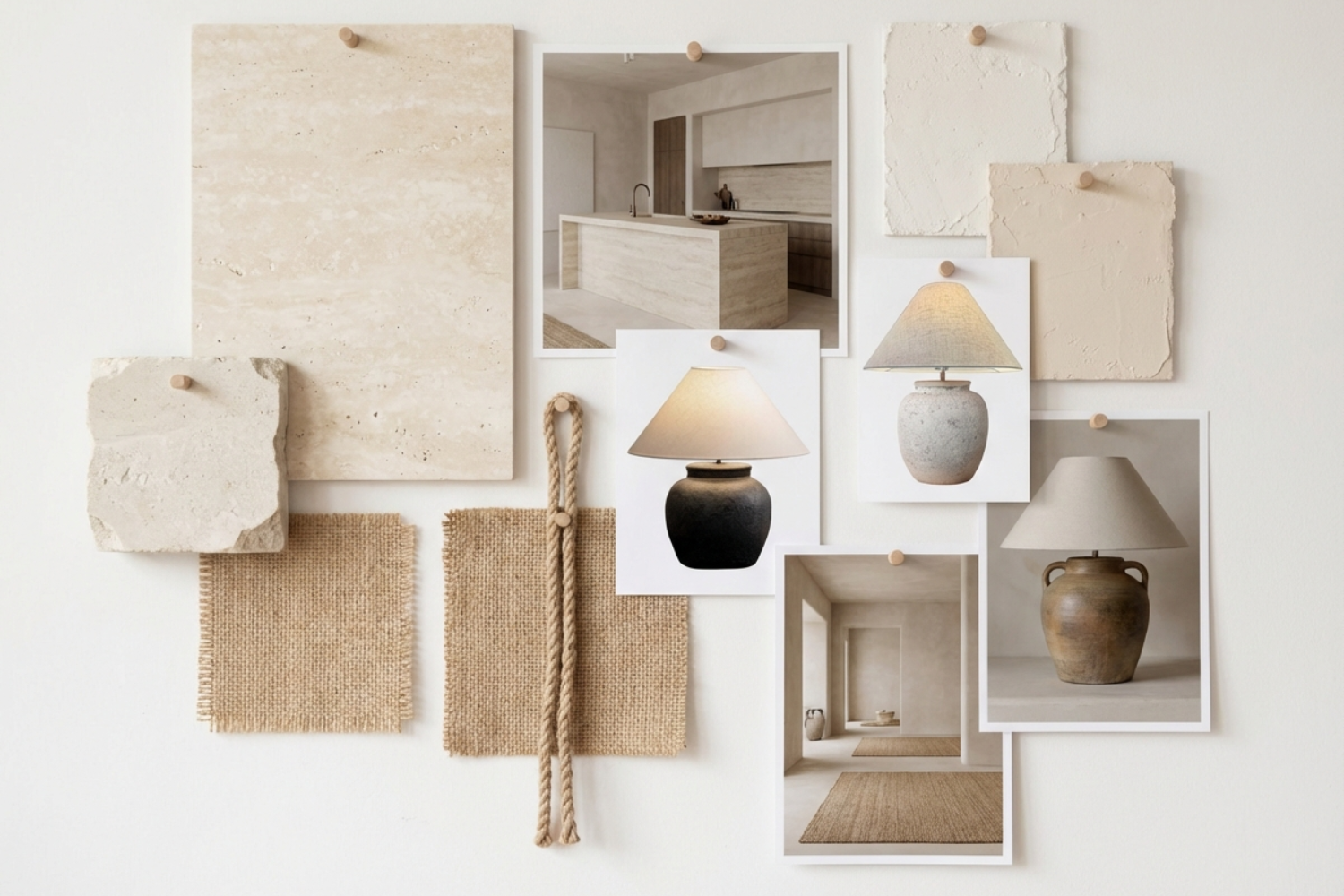
5. Incorporate Stone & Raw Surfaces
To elevate a coastal interior, introduce materials that feel slightly imperfect.
Travertine coffee tables
Limestone benchtops
Handmade ceramic lamps
Plaster finishes
These elements add quiet character.
The beauty of stone is that it already contains variation — subtle colour shifts and organic markings that add natural texture without needing pattern.
In newer Gold Coast homes, this is especially powerful. It offsets modern architecture with warmth and tactility.
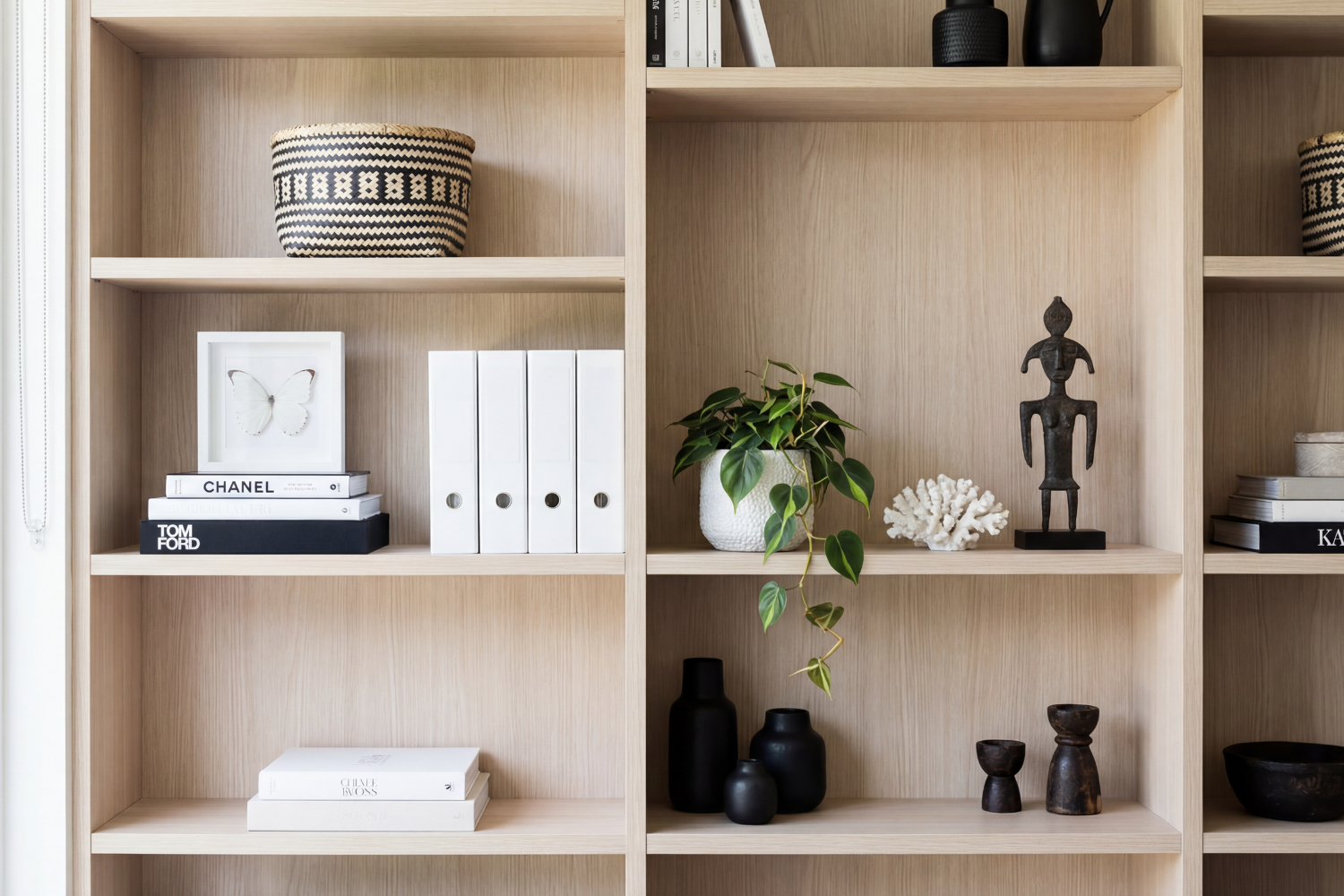
6. Use Greenery as a Texture Layer
Plants aren’t just decorative — they’re textural.
An olive tree introduces movement.
A large fiddle leaf adds sculptural shape.
Trailing greenery softens shelving.
The key is choosing plants with structure rather than overly tropical foliage if you’re aiming for a refined coastal look.
Keep pots neutral — ceramic, terracotta or stone — so they integrate into the broader material story.
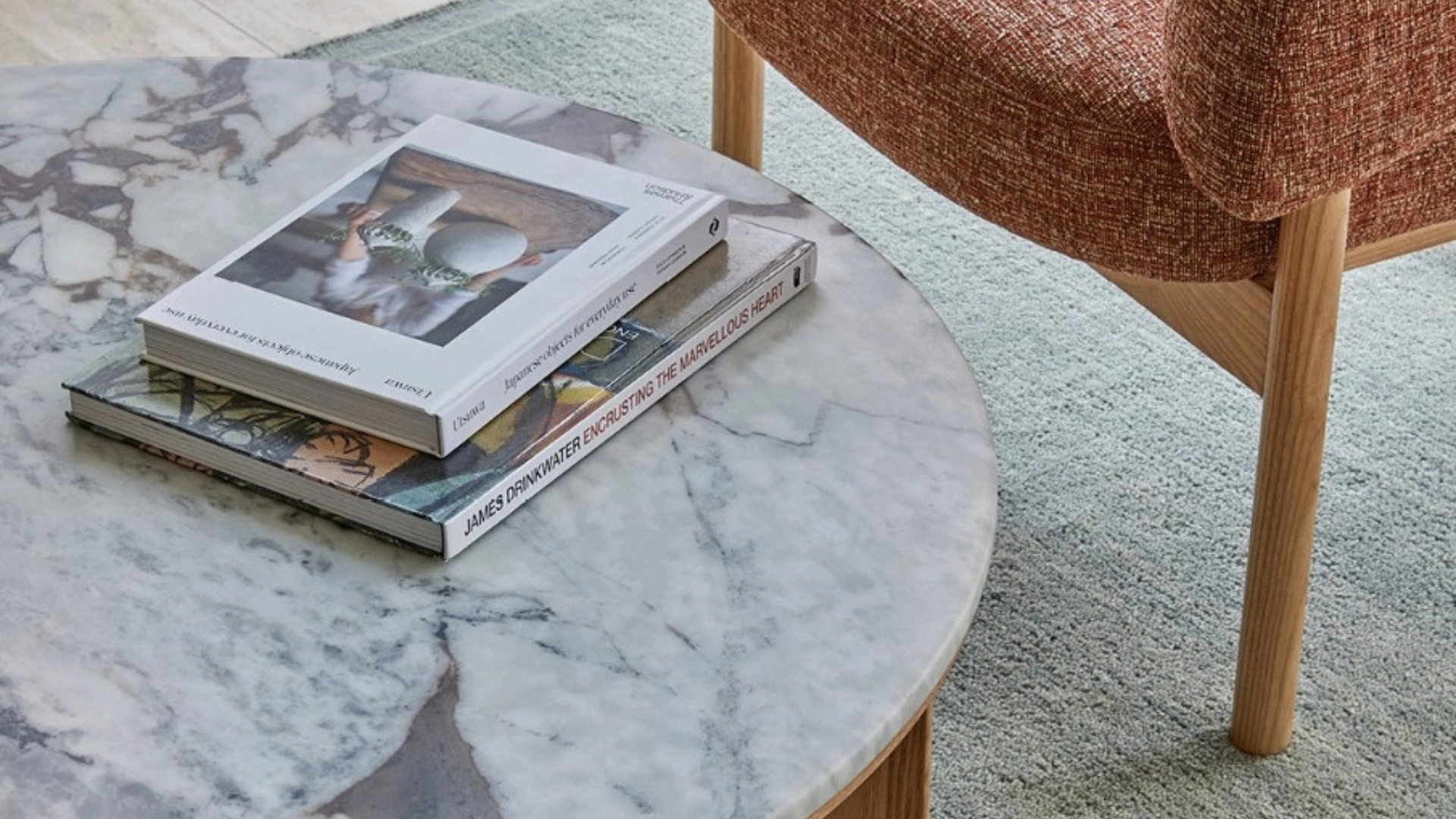
Jenson Occasional Chair, Elsie Coffee Table, Bower Frame Rug (Seafoam) by Globe West
7. Create Contrast With Smooth Surfaces
Layering isn’t about adding more roughness. It’s about contrast.
If everything is textured, nothing stands out.
Pair:
Textured rug with smooth sofa upholstery
Woven chair with clean-lined marble table
Raw timber with sleek brushed tapware
Textured towels next to smooth bathroom tiles
This balance is what makes coastal interiors feel intentional rather than casual.
8. Edit Ruthlessly
The difference between relaxed and messy is editing.
Coastal interiors should feel breathable.
Avoid:
Too many decorative objects
Excessive styling pieces
Competing materials
Instead, choose fewer items with stronger material presence.
A single large ceramic bowl makes more impact than five small decorative items.
Layering works best when there’s negative space around it.
Why Texture Matters in Coastal Interior Design
Many people think coastal design is about blues and whites.
In reality, it’s about materials.
When you rely on texture rather than colour:
The space feels timeless
It ages beautifully
It works with changing trends
It feels expensive without being flashy
This is especially relevant for full-service residential projects, where longevity matters just as much as aesthetic appeal.
Designing a Layered Coastal Home on the Gold Coast
The Gold Coast lifestyle naturally leans into relaxed living — but relaxed doesn’t mean unfinished.
Layering natural textures creates warmth, softness and depth while maintaining a refined architectural feel.
When every material — from flooring to furniture to fabrics — is selected intentionally, the home feels cohesive rather than assembled.
If you’re planning a renovation or furnishing project and want a coastal interior that feels elevated and enduring, thoughtful material layering is where it begins.
Ready to Create a Layered Coastal Home?
Layering texture may appear straightforward, but the difference between a home that feels effortless and one that feels unresolved lies in the details. Scale, undertones, material compatibility and how finishes respond to natural light all play a critical role in the overall outcome.
Without a clear design direction, it’s easy to make selections in isolation — a rug that’s undersized, timber tones that subtly clash, or stone that overwhelms rather than enhances. These missteps often lead to costly revisions and unnecessary spending.
Engaging an interior designer from the outset ensures every decision is considered within the context of the whole home. A cohesive plan not only elevates the final result, but prevents expensive mistakes, streamlines the process and ultimately saves money in the long run.
Contact us to begin your project.